Where to Stay in Vietnam — Choosing by City
Seven cities — Da Nang, Hoi An, Nha Trang, Phu Quoc, Hanoi, Sa Pa, Ho Chi Minh City. Why the wet season runs opposite in the south and the centre, and how stay areas differ.
 Photo by Denis Sobnakov on Unsplash
 THE DISTRICTS
Cities
- Da Nang

My Khe, Non Nuoc or the city west of the Han River — which Da Nang area fits resort days with children, evenings out on foot, a Hoi An side trip, or one night between flights.
- Hoi An
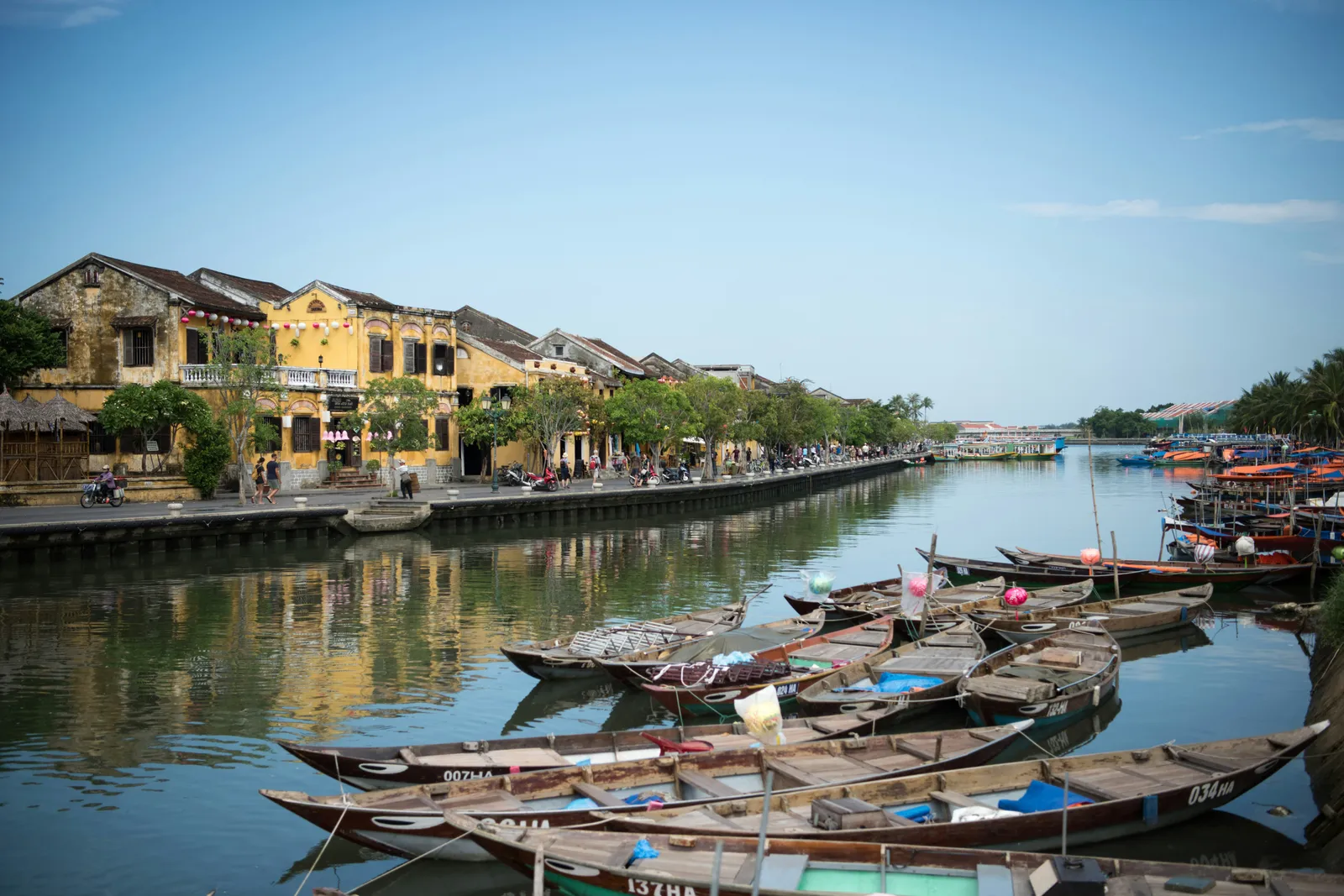
Start with whether to stay in Hoi An at all. Five walkable Old Town hotels sit 430m to 1.1km from the night market, four beach resorts 4.3 to 5.1km, the rice fields 1.7km.
- Nha Trang

Nha Trang splits four ways — Cam Ranh, the city, Hon Tre island and the north coast. The airport runs 10–18 minutes from one and 40 from another, and that decides the trip.
- Hanoi

Choosing a Hanoi hotel: the Old Quarter versus the Ba Dinh and West Lake side, airport travel times, and what each area costs you in convenience.
- Sa Pa
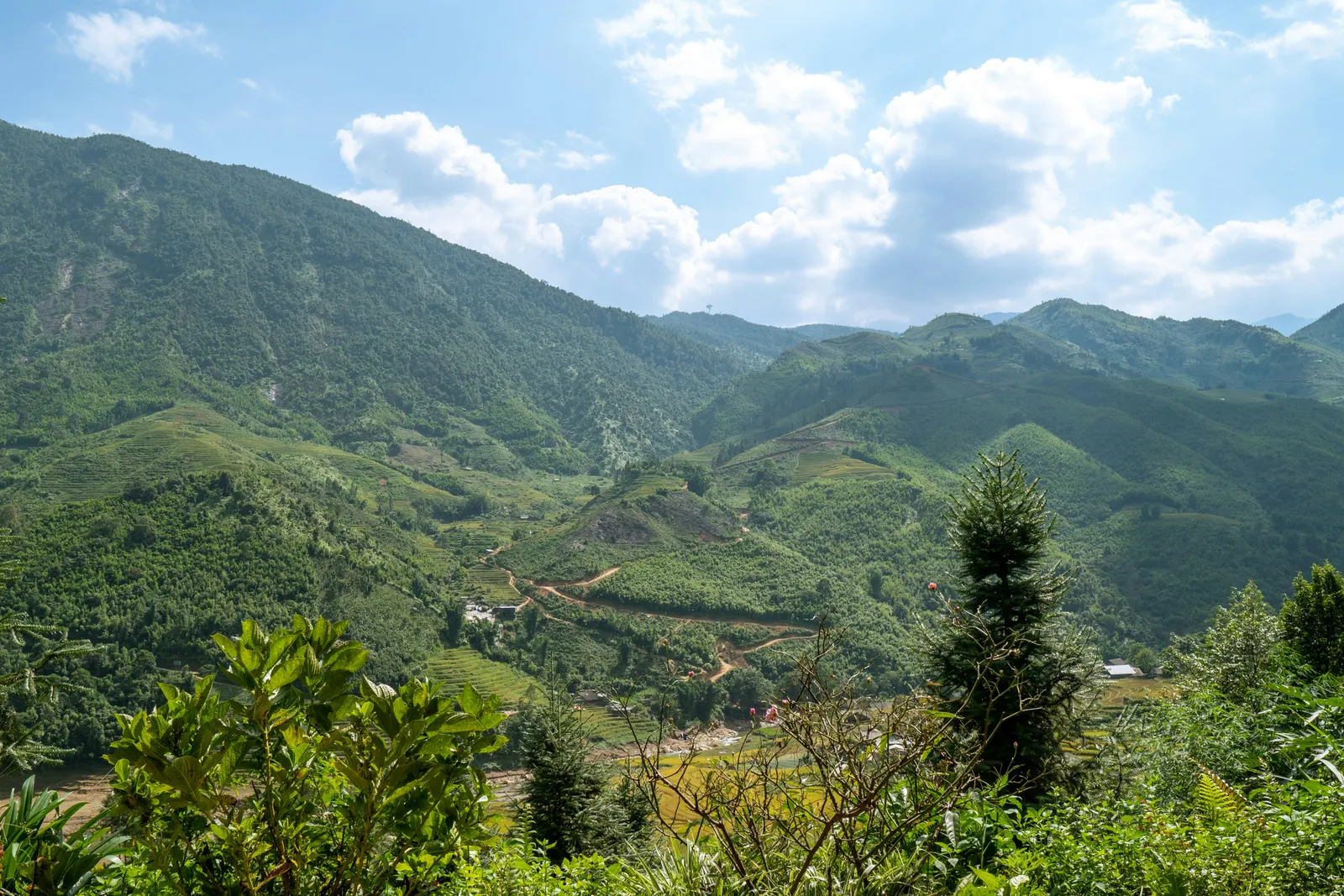
Sa Pa listings mix properties that sell a valley view with ones that never label a mountain at all. How the window, the area and the property type each change the trip.
- Ho Chi Minh City

How to pick a hotel in Ho Chi Minh City: what District 1 actually means for your itinerary, real airport travel times, and notes for families and business travelers.
- Phu Quoc
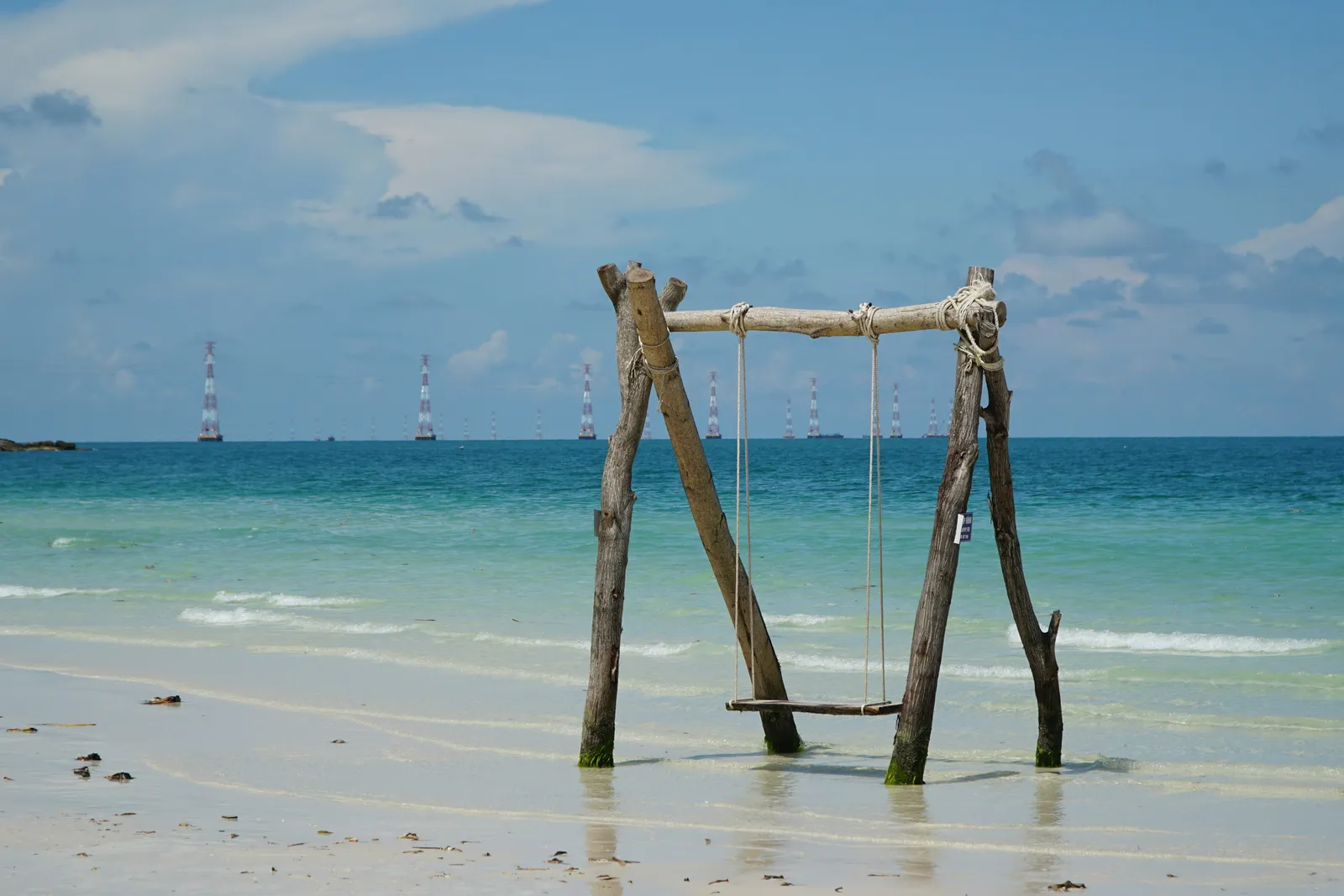
Every listing says “Phu Quoc”, but the five stay areas suit different trips: one town where dinner is on foot, and four where most evenings out start with a drive.
READ BEFORE YOU BOOK
Browse by theme
- Da Nang Central Da Nang
Four central Da Nang hotels compared. All sit 510m to 1.1km from Han Market, so distance decides nothing — what you meet outside does: cathedral, swing bridge or Dragon Bridge.
- Da Nang Where to Stay on My Khe Beach
Five My Khe Beach hotels sorted by trip: resorts built on the sand, two-bedroom suites for families who need separate rooms, self-catering, and the north end for city evenings.
- Da Nang Non Nuoc Beach, Da Nang
Choosing between the three Non Nuoc Beach resorts in Da Nang. Han Market is 7.8km at the closest, so evenings mean a car — in exchange the sand starts at the property line.
- Da Nang Family Hotels
Da Nang stays where four or more can share one booking. The split that matters is not the star rating but whether the beds sit in one room or behind separate bedroom doors.
- Da Nang Pool Villas
Two different things show up under Da Nang pool villas — villas sold alongside hotel rooms or residences in the same resort, and rooms where pool is only in the name.
- Hoi An Cua Dai Beach, Hoi An
Hoi An's Cua Dai resorts sit 90 to 330m from the sand but 4.3 to 5.1km from the night market. Evenings mean a car, so shuttle terms decide more than beach distance does.
Hotel guides · 6 hotels A few from every city. Each city page carries the full list.
- Brilliant Hotel Danang
110m to the Han River swing bridge, 600m to Han Market. Reviews repeatedly describe watching the weekend Dragon Bridge fire show from the top-floor bar. One room type says 'no view'.
Da Nang
- Palm Garden Beach Resort Hoi An
140m to Cua Dai Beach, 4.6km to the night market. The days finish on a private beach and in a garden; every evening in the Old Town is a car ride. Villas run to three bedrooms.
Hoi An
- Alma Resort Cam Ranh
580 rooms, five stars, and a waterpark. Families with teenagers are the largest guest group here — unusual for Cam Ranh, and it shows in the facility list.
Nha Trang
- Fortuna Hotel Hanoi
345 rooms over 17 floors with conference and banquet space. Business travellers are the second-largest guest group, and the Old Quarter is 3.5km away.
Hanoi
- Eco Palms House Sapa Retreat
This is the booking where you take Sa Pa town out of the itinerary. No shop, no ATM, dinner on the property. Whether that reads as peace or as a problem is the whole decision.
Sa Pa
- A&Em Art Hotel
340m to Ben Thanh Market. At 55 rooms the building is not laid out simply — rooms 1, 2, 3 and 5 use one lift, while 7 and 8 need a staircase first.
Ho Chi Minh City

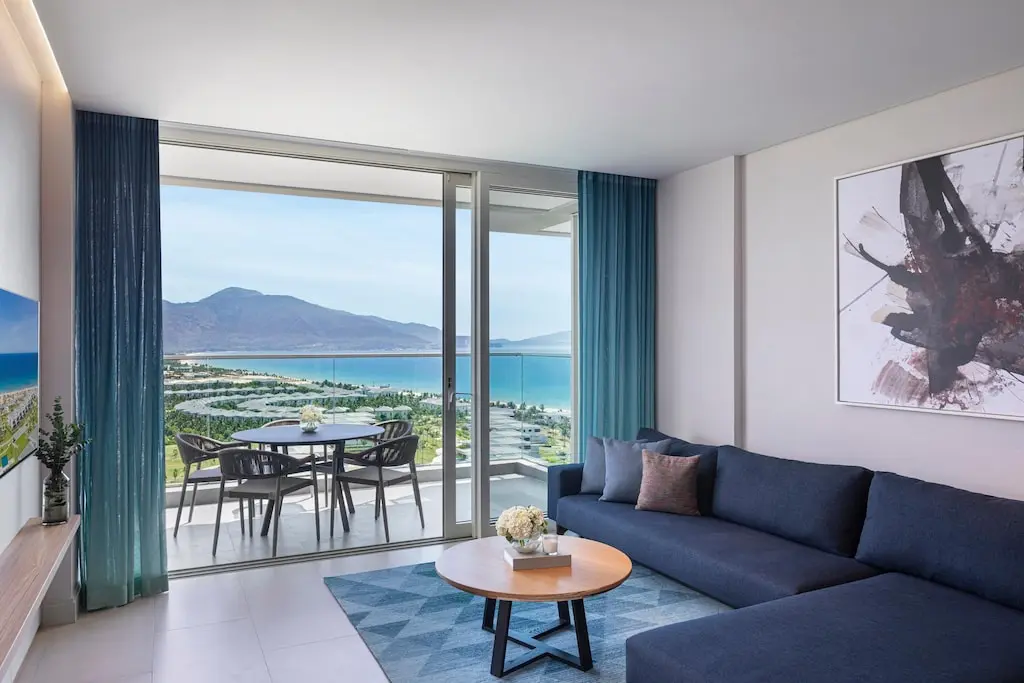


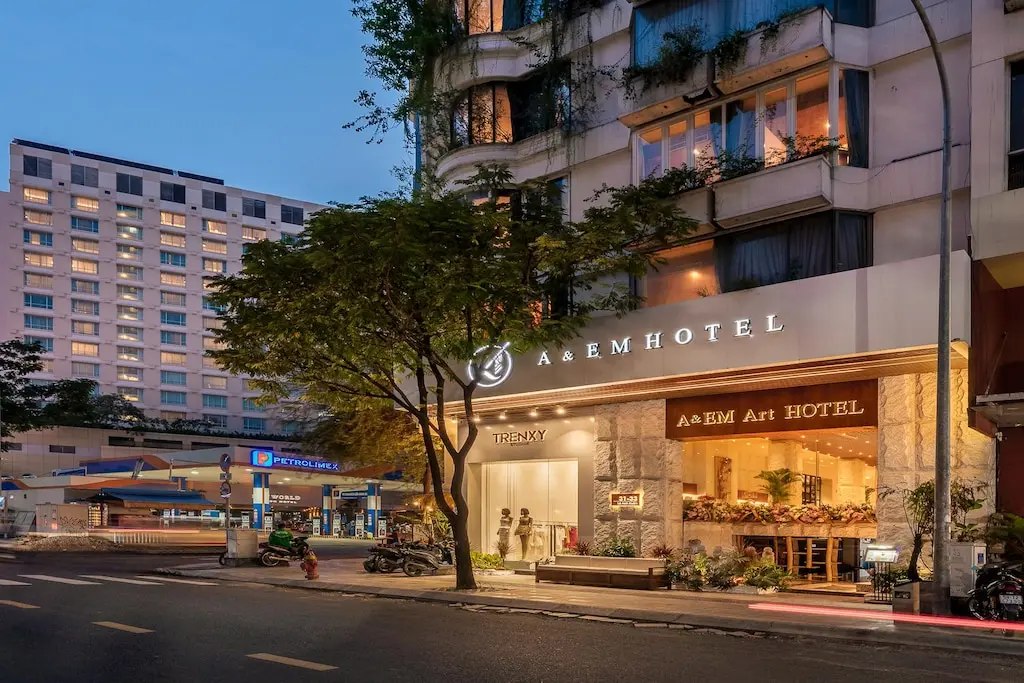
Recently updated
- The Anam Cam Ranh
- Rex Hotel Saigon
- Sherwood Residence
- Windsor Plaza Saigon
- Vinpearl Luxury Nha Trang
Choosing a Vietnamese city is really one question: how much of each day are you willing to spend in a car? The answer is set by the area you book, not by the property.
- Days spent inside the resort → Nha Trang, Phu Quoc
- Beach in the morning, restaurants in town at night → Da Nang
- Everything on foot → Hanoi’s Old Quarter, District 1 in Ho Chi Minh City
- Short trip, minimal transfer time → Da Nang, or Cam Ranh in Nha Trang
Then there is the date. Vietnam is long enough north to south that one end is dry while the other is in monsoon. Picking the city first and fitting the dates around it is how trips go wrong.
The wet season runs opposite in the south and the centre
The familiar line — “Vietnam’s rainy season is May to October” — describes the south: Ho Chi Minh City and Phu Quoc. The central and south-central coast, which is Da Nang, Hoi An and Nha Trang, is wet September to December instead. The wet months in one region are the dry months in another, so if your dates are fixed, choose the city to fit them.
| When | North (Hanoi, Sa Pa) | Centre & south-central (Da Nang, Hoi An, Nha Trang) | South (HCMC, Phu Quoc) |
|---|---|---|---|
| Feb–Apr | Drizzle and damp air for weeks | The driest stretch of the year | End of the dry season, heating up |
| May–Aug | Hot, with frequent rain | Nha Trang is at its driest | Peak of the wet season |
| Sep–Dec | Autumn is the clearest air of the year | Wet season. Hoi An adds flooding | Wet to October, then drying out |
Midsummer is where the split bites hardest. In July and August, Phu Quoc is in the middle of its wet season while Nha Trang is at its driest all year — several times the rainfall in the same calendar month, and roughly double the number of wet days. Nha Trang is the only Vietnamese beach city covered here whose best weather is high summer. If your leave is fixed to July or August, that one line makes the choice for you.
Turn it around: from September to December, a beach trip belongs further south. The central coast is taking the rain then, with surf high enough that swimming is off on some days. The city pages carry the detail — Hoi An, where those three months reverse the recommendation; Hanoi, where February to April changes what room to book; and Sa Pa, where the terraces change colour by the month.
Da Nang — one beach strip, but “beachfront” means three different things
Almost every stay in Da Nang sits on the My Khe Beach strip. Han Market is 2.8–3km from the northern end, 4.5–4.6km from the resort section further south, and 9.3km beyond where the strip ends. If you plan to eat in town most evenings, that gap is the whole trip.
Nha Trang — four separate areas that don’t substitute for each other
Nha Trang splits into the Cam Ranh resort strip, town, Hon Tre Island and the northern coast. Cam Ranh is 12–18 minutes from the airport but has nothing within walking distance. Town puts the beach and the restaurant streets on foot and pushes the airport out to roughly 40 minutes; Hon Tre means a cable car or a boat every time you leave.
Hanoi — 1km apart, 13–15 minutes apart
Hanoi comes down to Hoan Kiem or Ba Dinh. Hoan Kiem sits 140–630m from the lake, so sightseeing needs almost no planning, but Noi Bai airport runs 42–44 minutes by car. Ba Dinh cuts that to 29–30 minutes and puts the lake over 4km away — a taxi each time you go into the Old Quarter. The two areas are barely 1km apart, so reading a map here will mislead you.
Ho Chi Minh City — District 1 is not one location
The Nguyen Hue and City Hall core of Ho Chi Minh City keeps the main sights within 150–700m, while the western end of the same District 1 is close to 2km from the Reunification Palace. Outside District 1 you are nearer the airport or a local shopping area, but sightseeing becomes a car ride. The airport is only 6–7km straight-line from District 1 yet still takes around 30 minutes, so distance is the wrong number to plan with here.
Phu Quoc — one label stretched across a four-fold airport gap
Every property on the island is listed simply as Phu Quoc, which hides an airport sitting 5.9km from one stay area and 25.3km from another. Duong Dong is the only stretch you can walk out of for dinner; the resort belts assume a car every evening.
Hoi An — the evening is the reason to be there
Hoi An divides between the old-town walking radius and the Cua Dai beach belt — 430m to the night market from the first, 4.5km from the second. The lanterns come on after dark, which is exactly when a beach-belt stay means calling a car. October to December brings flooding, and that is the one period when the answer changes.
Sa Pa — a mountain town, so the month shapes the room
Sa Pa splits between the town and the Muong Hoa valley. The town puts food within walking distance and puts buildings in front of the view; the valley gives you the view and takes a car ride each time. The terraces change colour by the month, so it is worth fixing when you are going before choosing where.
Da Nang or Nha Trang — the radius is the difference
Both are beach cities and searches pair them constantly, but they are used in opposite ways.
| Da Nang | Nha Trang | |
|---|---|---|
| Airport ↔ town | 2.4–3.3km | ~25km · 40 min |
| Beach ↔ town | 2.8–4.6km | Resort belt is ~25km away |
| Both from one hotel | Yes | You choose |
| Island option | None | Hon Tre (VinWonders) |
In Da Nang the airport, the beach and the town sit inside one triangle. A city hotel is 2.4–3.3km from the airport and about ten minutes from the sand, so one booking gives you beach mornings and Han Market evenings. Hoi An also attaches easily as a day trip.
In Nha Trang that combination does not exist. Cam Ranh, where the resorts are, is 10–18 minutes from the airport and 25km from town; stay in town and the airport becomes 40 minutes. The easy arrival and the walkable evening sit at opposite ends.
- Short trip, minimal transfers → Da Nang. On two or three nights, Nha Trang spends over an hour on airport runs alone
- Several days inside a resort → Cam Ranh in Nha Trang, where the private-pool villas cluster
- Theme parks with children → Hon Tre island. Da Nang has no equivalent
- Walking out to eat every evening → both work, but Da Nang’s radius is shorter
How we choose the stays we cover
- Actual distance and travel time to both the airport and the city centre
- Whether the property has realistic room configurations for your party size (especially four or more)
- What is solved on-site versus what requires leaving the property
- Drawbacks that show up repeatedly in guest feedback
Rates move sharply by season and date, so we never state a price as fact. We lay out the conditions you need to judge a property and point you to the live rate at booking time.
Your e-visa fixes the airport you arrive at and the one you leave from
This page is about choosing between Vietnamese cities. If you choose more than one, the entry rules settle the order before your flights do — and they split hard by passport.
| Passport | Before you fly | Maximum stay |
|---|---|---|
| UK, Germany, France, Italy, Spain, Denmark, Sweden, Norway, Finland | Nothing — visa-free entry | 45 days, under a resolution running to 14 March 2028 |
| Netherlands, Belgium, Switzerland, Luxembourg, Poland, Czechia, Slovakia, Slovenia, Hungary, Croatia, Romania, Bulgaria | Nothing — visa-free entry, for tourism | 45 days, under a separate resolution running to 14 August 2028 |
| United States, Canada, Australia | An e-visa, even for a beach holiday | 90 days |
The second row is the recent one: Resolution 229/NQ-CP added those twelve countries from 15 August 2025 and writes the exemption for tourism specifically. The first row runs on Resolution 44/NQ-CP, in force since 15 March 2025. Two resolutions, two expiry dates — which is why the row you are in matters more than the shared “45 days”.
The e-visa is issued for the entry and exit checkpoints you name on the application, and it works only at those. A trip that lands in Da Nang and flies home from Hanoi has to carry both on the form. That reverses the usual order: the city sequence, and therefore the flights, is settled at the visa stage rather than afterwards — barely a footnote on a single-city trip, and the first decision rather than the last on the two-city itineraries this page keeps pointing people towards.
Two web addresses are official, not one. The immigration department has run the portal at both thithucdientu.gov.vn and evisa.gov.vn since 11 November 2024, and says so in its own notice. Some foreign government advisories still print an older address, which is reason enough to start from the immigration department’s site rather than from whichever link a search turns up. Imitation sites that copy the layout and add a service charge are common here, so the thing to check is the address, not the page.
The fee splits on single versus multiple entry: US$25 single, US$50 multiple, and it is not returned if the visa is refused. A single-entry visa is spent the moment you leave the country, so an itinerary that crosses into Cambodia or Laos and comes back needs the more expensive one — the same piece of forward planning the checkpoint rule already forces on you. Processing is stated as three working days, counted from the day the office holds both your information and the fee rather than from the day you opened the form. That is a stated maximum and not a typical turnaround, so leave room in front of a fixed flight date.
Passport validity: work to six months beyond the day you leave Vietnam, plus two blank pages. The British and Canadian governments word this differently — one counts six months from the day you arrive, the other six months past the day you expect to depart. Booking to the stricter reading costs you nothing and takes the argument off the check-in desk. Either way it is the opposite end from Korea, where a short visit only needs a passport valid past your departure date — so on a trip taking in both, Vietnam sets the requirement.
The pre-arrival declaration is not compulsory. Vietnam’s Ministry of Public Security marks it in its own text as not yet mandatory, and the British and Canadian advisories say the same. It has been running as a pilot at Tan Son Nhat in Ho Chi Minh City since 15 April 2026: you file in the three days before you arrive and a QR code comes back. What is not settled is which other airports it reaches — the expansion dates circulating online appear on no Vietnamese government page, and an embassy notice as recent as 7 August 2026 still describes the rollout in the future tense and as voluntary. Ask your airline when you confirm the flight. The only address is prearrival.immigration.gov.vn, and the ministry has itself warned about copycat sites collecting card details.
Checked 10 August 2026. Visa policy here moves by resolution and at short notice, and the cost of a wrong assumption is being denied boarding rather than mildly inconvenienced. Confirm on the official portal and on your own government’s travel advice before you fly.
A rented scooter is not the fix for a resort-belt address
The gap between the resort belts and anywhere you can walk to dinner is the recurring problem on this page: Cam Ranh 12–18 minutes from the airport with nothing in walking distance, an airport sitting 25.3km from one Phu Quoc stay area, the southern end of the My Khe strip. Hiring a scooter looks like the obvious way to close it, and for several nationalities that option is not legally open.
- US, Canadian and Australian licences are not valid in Vietnam, and neither are the international driving permits issued in those countries. Vietnam recognises only permits issued under the 1968 Vienna Convention. The US embassy states plainly that a foreign licence is not valid even when accompanied by an international driving permit.
- UK licence holders can drive on a 1968-convention IDP carried alongside the licence itself.
- Anything above 50cc needs a Vietnamese licence regardless of what else you hold.
- Driving without third-party insurance is illegal.
So when you weigh a resort belt against a town address, count the evening ride as part of the package rather than assuming you will ride yourself out of it. On the Cam Ranh strip or the Phu Quoc resort belts, that means a car every evening you want dinner outside the property.
From the airport to the hotel
An offer of a free lift to your hotel, made to you inside the airport, is a warning sign unless you arranged that transfer yourself in advance — the British government flags this specifically. A pickup you arranged already has your name and the property’s name attached to it; an offer that arrives out of nowhere has neither.
The same advice recommends using a ride-hailing app such as Grab, and checking the car and the driver against what the app shows before getting in. Da Nang International has a designated GrabCar pick-up lane at the international arrivals terminal, which takes the searching out of the first ten minutes.
Booking in an app also puts the destination into the app rather than into a conversation, which takes the haggling and the language problem out in one step. It is also why the transfer distances on this page are worth reading literally: a 25.3km run to a Phu Quoc resort is a number worth having before the car pulls away rather than after.
At check-in, and what you carry
Hotels and guesthouses normally file guest registration with the local police on your behalf, which is why reception asks for your passport when you arrive. Ask for it back as soon as that is done — the Canadian government advises against leaving your passport with the property.
Cash above 15 million VND or US$5,000 must be declared on the way in and on the way out. For everything else, confirm prices in dong; a figure quoted in another currency is worth converting back before you agree to it. Tipping is not obligatory, and higher-end venues may already have added a service charge, so read the bill before adding to it.